
Introduction: Welcome to Berlin
I’ve been living in Berlin for the past 14 years and, I discover something new every week. However, it’s the second largest city in the Europe. People may think the capital of Germany is really expensive, and because of this it is hard to visit, as compared to a place like Hamburg, it is really easy to navigate and enjoy the Berlin 28 Stunning & Unmissable experiences. In addition, Berlin is very welcoming to everyone of every race and class as compared to many big cities; this is actually why it is the best place for me. Moreover, it has various other options to offer to adults who are not interested in the most visited tourist destinations.
To be honest, my favorite things to do are not the usual attractions. Although, the Brandenburg Gate and the East Side Gallery are popular spots for a reason, but the real gems are more local and smaller. I recommend that people pack their schedules with free activities, but also stuck on a few spots that are worth it. For example, a street art and hidden neighborhoods tour is a great way to discover the nightlife, and a Cold War Berlin tour is super interesting and informative for everyone. During tour, always sure to grab a bite to eat at one of the many hidden family-owned cafés.
There are very few people in planning a trip here, I’ve learned that it is valuable to avoid lists that focus primarily around the main landmarks that people think before visit. Some locations are just unnecessarily busy spots for a tourist. During the busy summer crowds, many places are overrated. You can definitely should not be spending your time rushing from one Instagram photo location to another and you should consider taking your time to enjoy what Berlin has to offer to build a strong relationship with its tourist.
1: The Fun in Tempelhofer Feld:
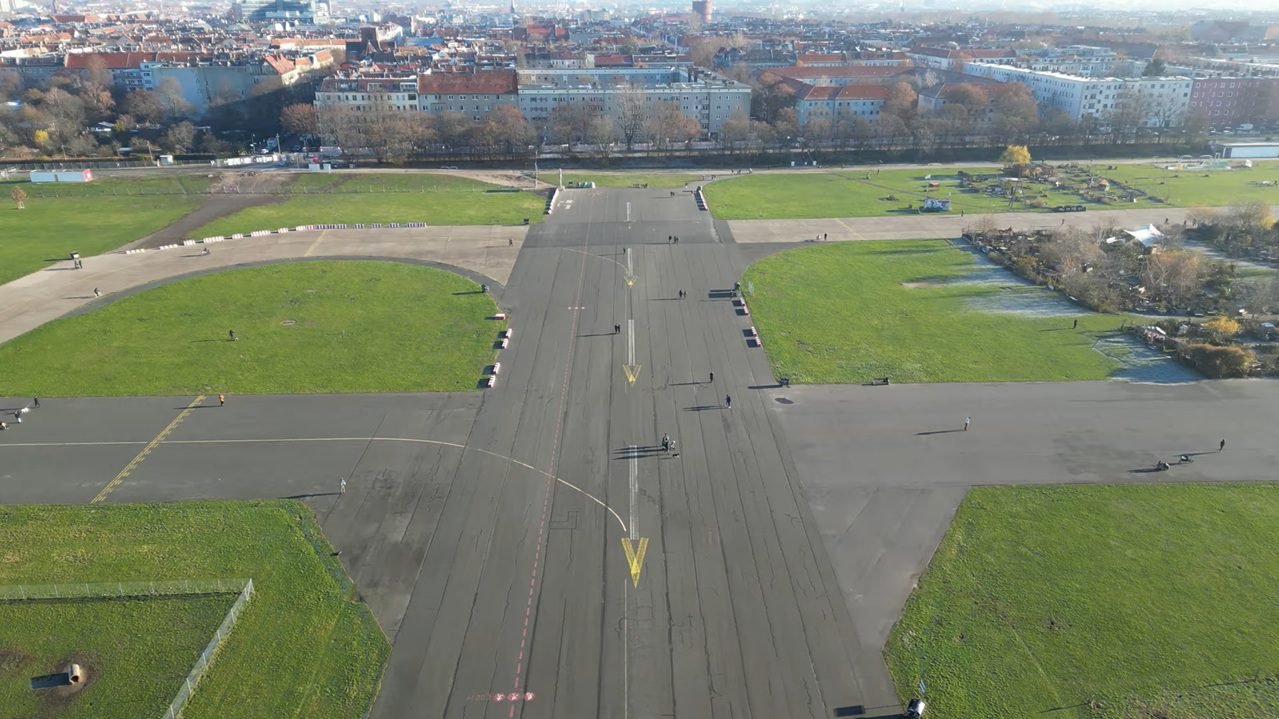
Tempelhofer Feld’s vast open space is a perfect place for those who prefer the calmness of the park to the bustling Berlin nightlife. This enormous park was a former airfield and active airport in Tempelhof, and used to be a huge fenced-off area. In 2008, the city opened it up for the entire public, and now the locals come here to escape the busy streets for the peace of the open landscape.
One of the more unique features of this park is the almost no tall buildings, which is almost unusual feature of Berlin. Lighting and shading are minimal, so unshaded spots become seating, though unshaded areas are reserved for skating or biking along the old airport runways, which attract the most visitor activity. The bold and active park layout inspire many to try new activities, even to the point of allowing visitors to windsurf on wheels, using the wind to surf along a little windy patch of the vast, flat concrete.
Tempelhofer Feld is more than a park. Its large spaces and relaxed nature inspires social events. Berlin turns even an ordinary public space as an area for social experiences, as evident in my favorite memory here, when I joined a picnic with some kindly strangers who opened up their small picnic area to me, as a lonely traveler. Picnicking, barbecuing, and evening activities are a popular way to explore in Tempelhofer Feld, making the park come alive.
2: Neukölln, A Central District in Berlin:
Nacht Spaziergang durch Neukölln, even as a non-German speaker, helps you to understand Berlin modern culture. Between Neukölln and Tempelhof are many vibrant and lively small Berlin streets, coffee shops, bars, food stalls, a strong and diverse community.
The neighborhood has deep Turkish roots due to the significant number of Turkish migrants who immigrated to Germany to fill in the labor shortages in the Gastarbeiter post WW2. A large portion of Turkish workers and their families settled in this district. They opened businesses, restaurants and their cultural fingerprints on the fabric of this community can still be seen and felt today.
You have to visit Azzam Turkish Restaurant for its awesome hummus and grilled dishes, or Sahara Imbiss for falafel roll. Sahara is a very addictive roll, and has a spicy peanut dipping sauce, and for that reason, you won’t be the only one munching on their snacks for the low price of €4. All of these places are filled with students, artists and locals, and all of these places stay open late into the night.
A more thoughtful and meaningful stop on your night stroll is Cafe Refugio, a great hangout for locals. This social project started by the Berlin City Mission has brought together 35 staff from 9 different cultures, and 6 different floors, creating a very warm sense of community and a safe space for refugees and locals.
Klunkerkranich is easily the rooftop bar that wins the Berlin sunset and nightlife experience award, and with the soft electronic music and gorgeous views of Berlin, this is the rooftop bar and sunset to remember. Finish off the night as you sip sweet cocktails, with the sun setting and the sounds of soft electronic music.
3: Explore Berlin’s flea markets:
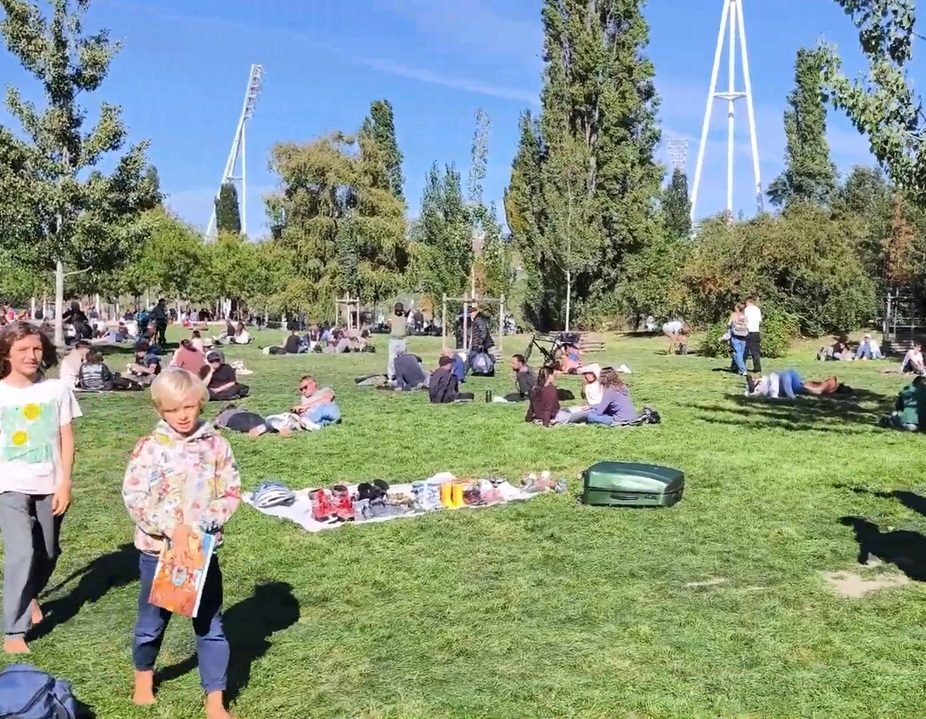
The flea markets are way more than a place to shop. Telling the story and showcases the personality of the city, flea markets are a cultural staple of Berlin. Adults that love vintage stuff, photography, music, and design can spend days going through all the creative finds.
There are unique and weird antiques, vintage records, second-hand furniture, and even some art. If you are lucky, you could find some GDR memorabilia, which is East German history places. The markets are very authentic. Most stalls place items for sale on blankets and tables.
4: Check out the flea markets:
Shopping isn’t the only thing you can do at the flea markets of Berlin. Because these markets have their roots in Berlin’s history, they have become centers for culture in the city. There are tons of options for creative things to shop for photography supplies or vintage finds. So there is no chance the average adult will be bored here.
There is a large range of items for sale at these markets. There are things like paintings, antiques, old trinkets and records, and even used furniture. Some vendors also have authentic GDR memorabilia. This is a cool piece of East German history. Many items are placed loosely on blankets or table. This helps sell the market’s charm.
5: Dare to participate in outdoor karaoke at Mauerpark on Sundays:
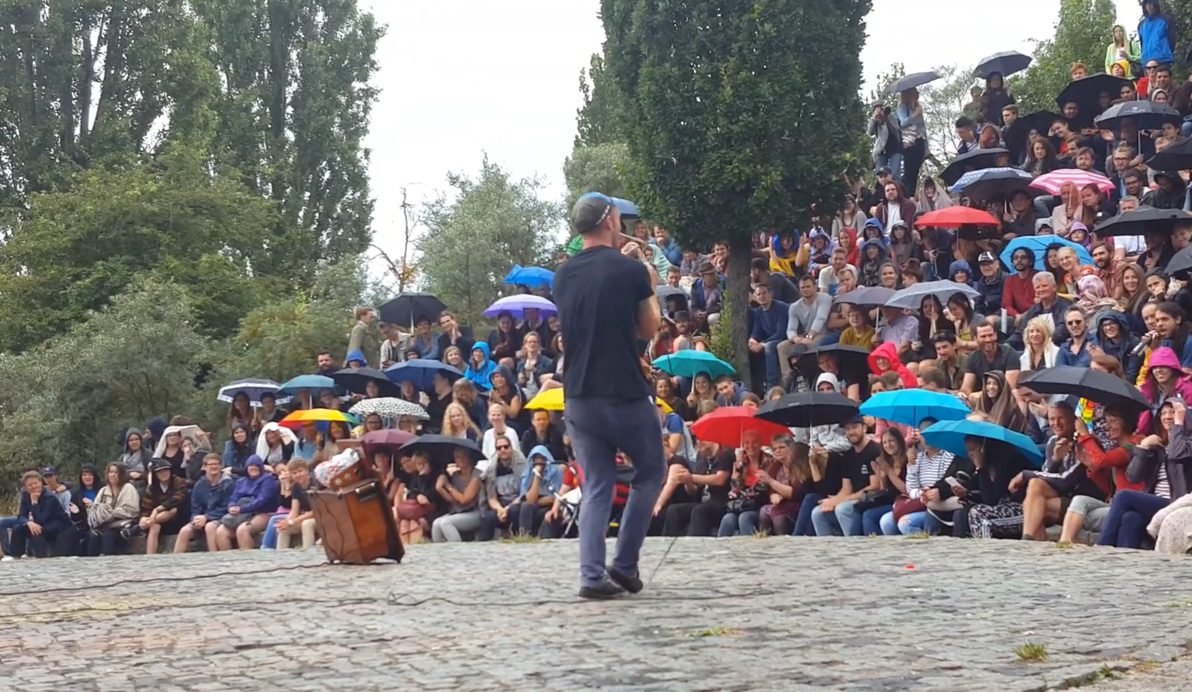
Outdoor karaoke is as alternative as it gets for Berlin. Mauerpark, or Wall Park, is located in Prenzlauer Berg near the old Northern Railway Station, which is divided by the French and the Soviets after the 1946 Berlin Blockade and a division of the Wall.
Since then the park has become home to Sunday markets, selling everything from vinyl records to rare old antiques and one of a kind items. The market endures from 7am to 5pm every Sunday, and gets new visitors from all parts of the city.
The market’s prime time starts at 3pm when open mic karaoke starts in the amphitheater, or bear pit, for a packed crowd and a brave soul performance. The singers and the audience, no matter the skill level, sing their hearts out along with a karaoke machine. The iconic Berlin attraction has one of a kind entertainment with a ridiculous and raw foundation.
In addition, Gedenkstätte Berliner Mauer, also known as the Berlin Wall Memorial. It is 1.4 km long and memorializes the victims of the Berlin Wall along Bernauer Strasse. Guests can follow the path of the preserved wall and take a historical walk in Berlin Mitte after visiting the Memorial and exploring the Visitor Center.
Where to Go: David Hasselhof Memorial at Circus Hostel:
One of Circus Hostel’s strangest hidden surprises is David Hasselhof’s memorial. It is located in the basement of the hostel,which is a small and permanent memorial. However, Hasselhof Museum pays homage to the actor who is humorously connected to the reunification of the German Nation.
Hasselhof’s fans can see a giant lifesize mural, fake chest hair, and a vast collection of Baywatch paraphernalia that covers the walls. The museum fully covered with Berlin’s weird and humorous side.
If that doesn’t capture your attention, located directly next to the museum is a bar connected to a local microbrewery. They serve craft beer and a local brew in a warm and friendly atmosphere. The museum being located right next to the bar makes this the perfect night out spot.
Walk Through the Brandenburg Gate:
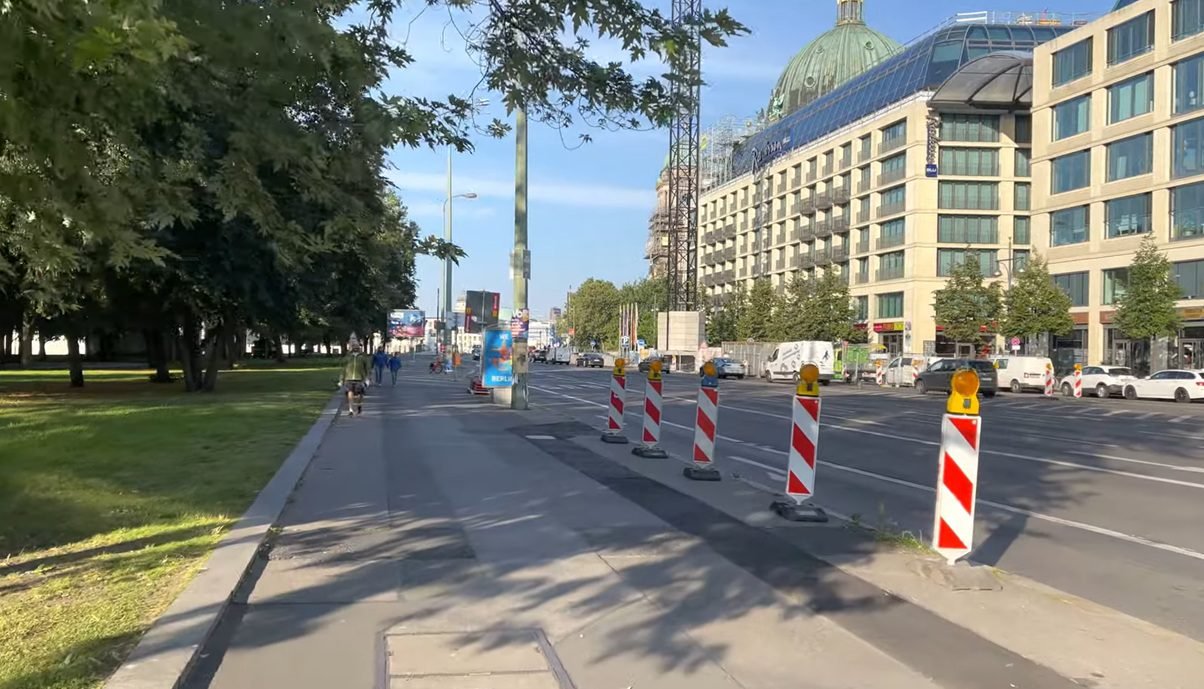
The illuminated Brandenburg Gate is even more stunning at night. The historic gate serves as one of the strongest symbols of Berlin and Germany’s reunification after the fall of the wall in November of 1989.
The area that used to be directly next to the heavily guarded Berlin Wall is now a symbol of Freedom and Unity. The area surrounding the Wall was filled with exhibitions, musical events, and a display of lights. It was all in celebration of the 30th anniversary on November 9th, 2019.
A lot of visitors check the Kayak Stays prior to their trip. It shows the current cultural programs, and special events that take place right next to the gate.
6: Get in for Free at the Deutsche Guggenheim on Mondays:
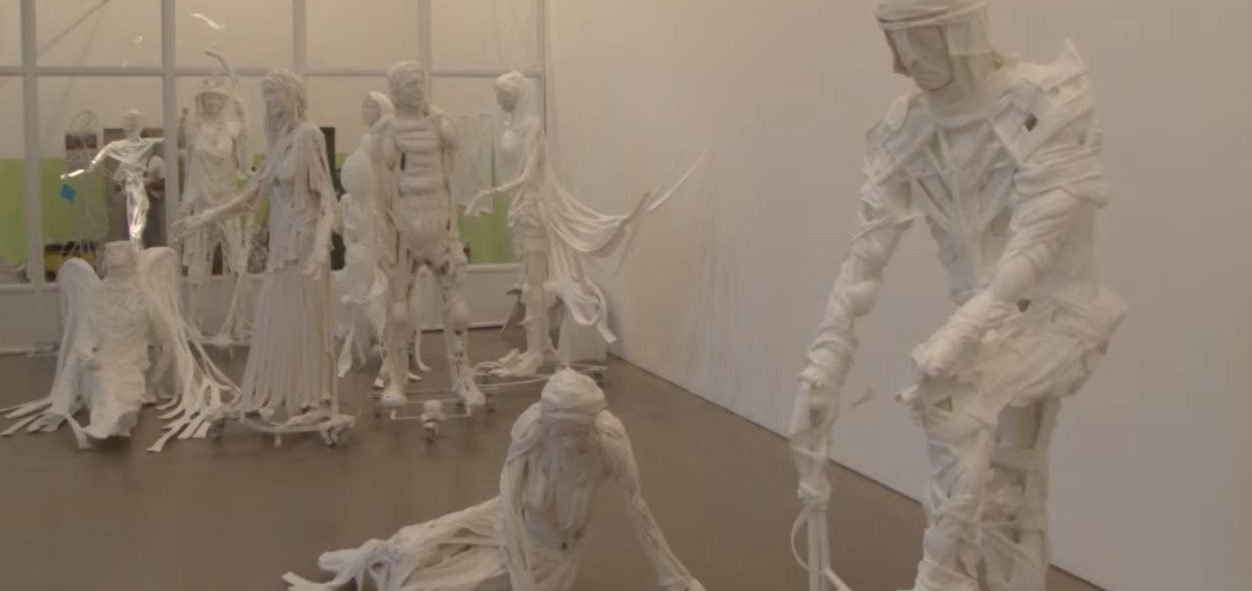
If you want to experience a peaceful art experience in Berlin, come on a free Monday. The Guggenheim museum has lots of contemporary art, as well as temporary exhibits from major international artists.
This museum shows why different art styles from around the world matter. Some exhibitions are just photography, and others are paintings, installations, and even political art. You can’t beat a free museum on a Monday for any adults on a budget.
7: Visit the Deutsche Guggenheim for free on Mondays:
If you’re an art lover and you have a free day in Berlin, consider visiting the Guggenheim Museum. Every Monday, the museum allows entrance for free, making it an excellent option for budget travel, and because it is less known, the museum is less crowded, allowing you a more peaceful experience.
However, it is not a huge museum, the variety in exhibits for creative styles, from political works to photography, make it a special place to visit while in Berlin. Monday entry makes this museum an awesome travel experience for adults who are budget conscious.
Get lost in the Holocaust Memorial:
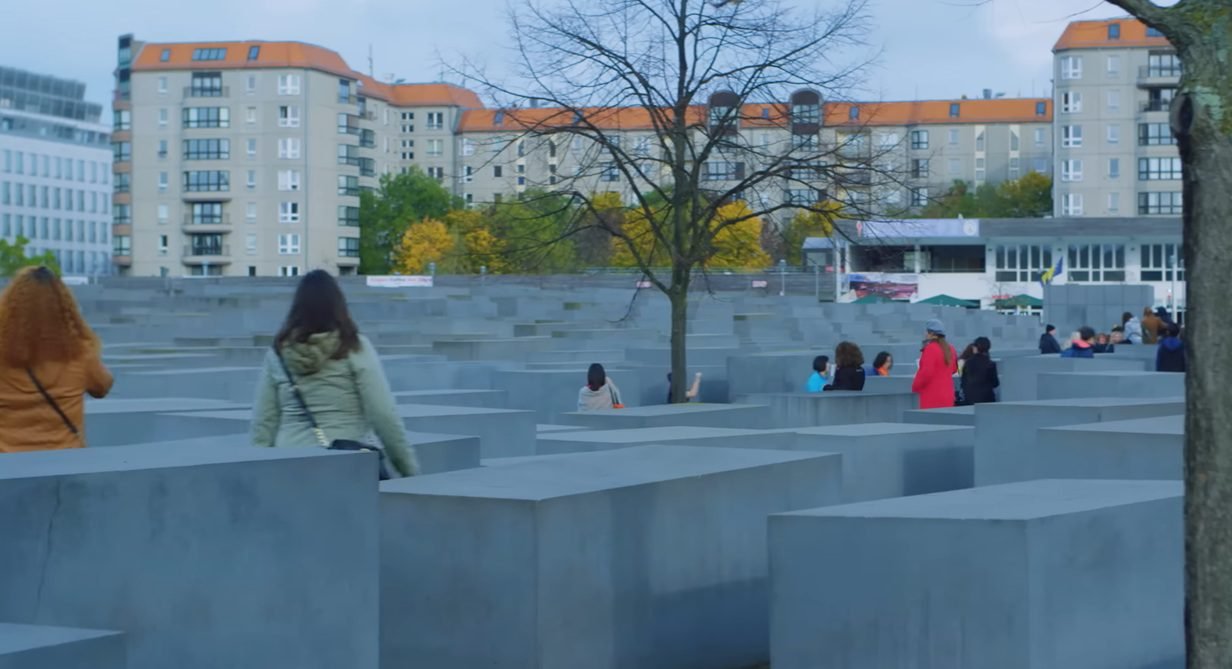
Memorial to the Murdered Jews of Europe is a field of tall, grey, concrete pillars that have a significant emotional impact on all who visit this place. Completed in 2005, this memorial honors the victims of Nazi persecution of the Jews during the Holocaust and leaves a large emotional impact on visitors of the Berlin area.
The memorial uses a field that spans an entire city block, and a large expanse of the memorial is almost confined as it pushes out the sounds of the surrounding city. Even though there are visible security guards, the total silence and atmosphere of the memorial makes it an extremely haunting experience.
8: Visit the Memorial to Homosexuals Persecuted Under Nazism:
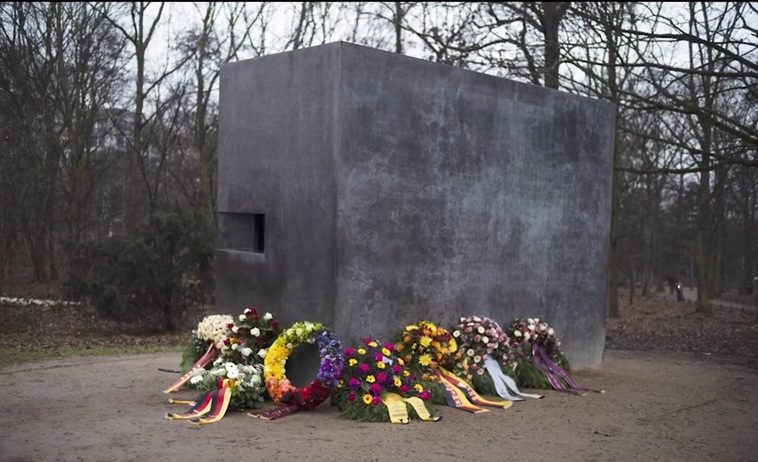
There is a quiet Berlin park near Tiergarten which is the dark block of a memorial that remains for some of the lost victims who have faded from the memory of a nearly lost Nazism.
This memorial captures a glommy moment that many people who walk the Tiergarten at dusk, tend to stop at to collect their thoughts.
9: Free Walking Tour Experience:
Participating in a free walking tour is an excellent method to familiarize yourself with the complex history of Berlin. Being tip-based those who appreciate the value of a knowledgeable guide but wish to keep their tour costs to a minimum cost.
While guides do attempt to confirm coverage of the majority of the main attractions like Checkpoint Charlie, the Holocaust Memorial, Kreuzberg, and Friedrichshain, other tours almost exclusively cater to Berlin’s alternative culture and include a day trip to the former Prussian royal residence of Potsdam or the historic concentration camp of Sachsenhausen.
10: Go to a Lunchtime Chamber Concert:
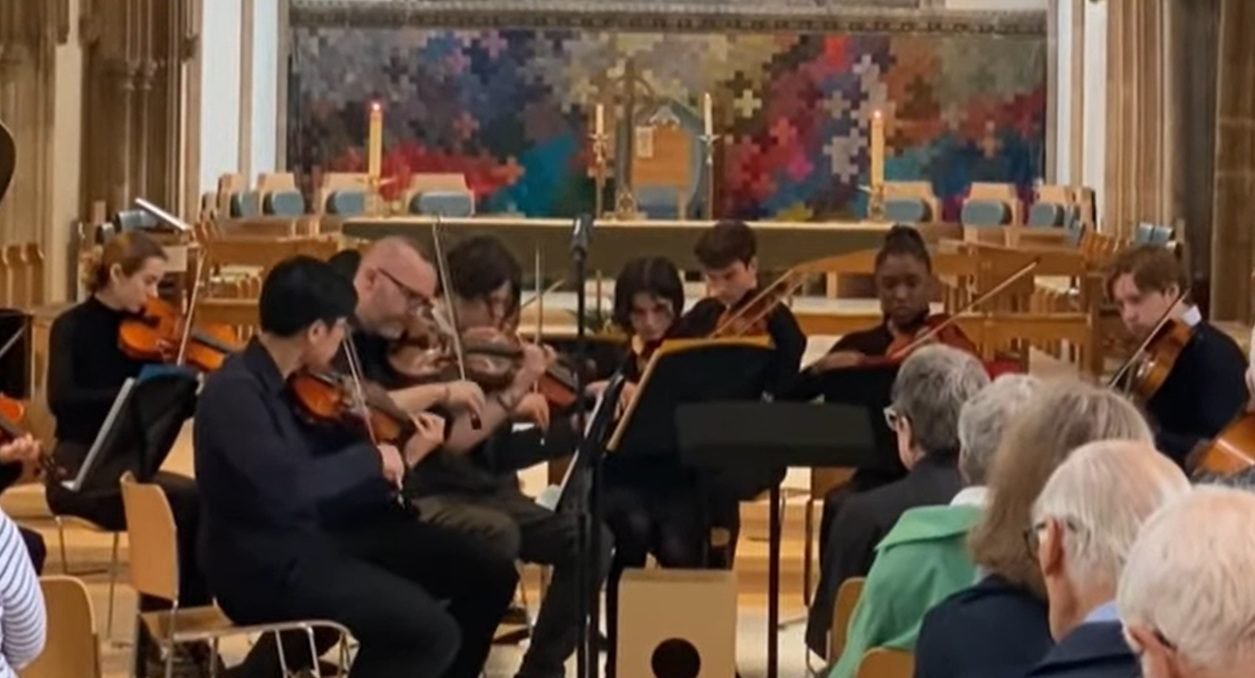
The Berlin Philharmoniker is one of the best spots to listen to a performance during the summer, as they host a free concert every Tuesday, with members from the Philharmoniker and the orchestra.
The Philharmoniker concert serves as the peaceful terminus for a day of urban exploration, as they are a midday break from sightseeing.
11: Walk Along the Berlin Wall at the East Side Gallery:
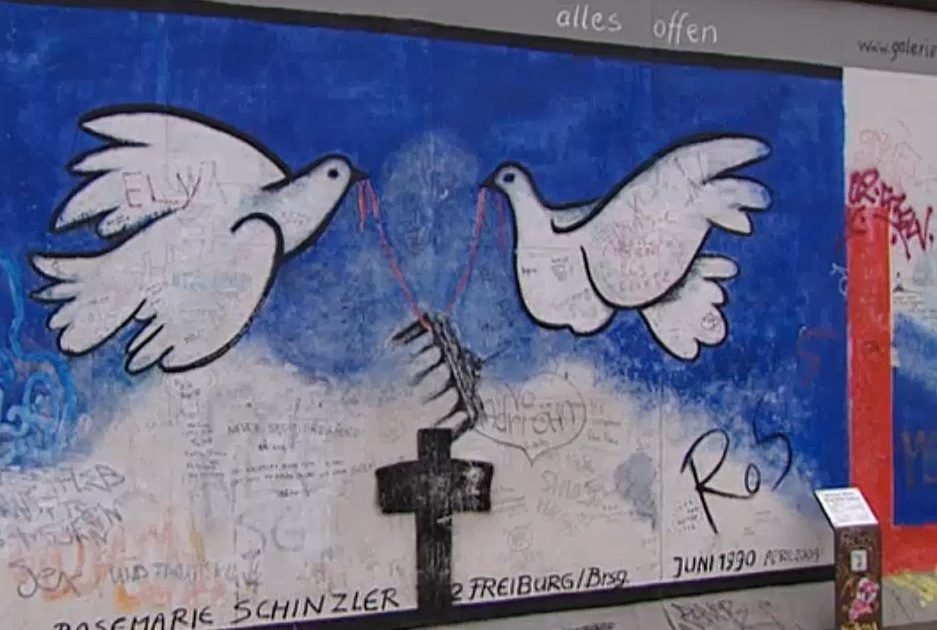
One of the most notable attractions in Berlin, and an expansive and well-known section of the Berlin Wall, is the East Side Gallery. It runs along the Spree river and connects Oberbaumbrücke and An der Schillingbrücke.
Over 100 artists turned the wall into a colorful reminder of not only the reunification of Germany, but also freedom, in 1990. Now, this area acts as an art gallery by merging history and creativity.
12: View Berlin From the Reichstag Building Dome:
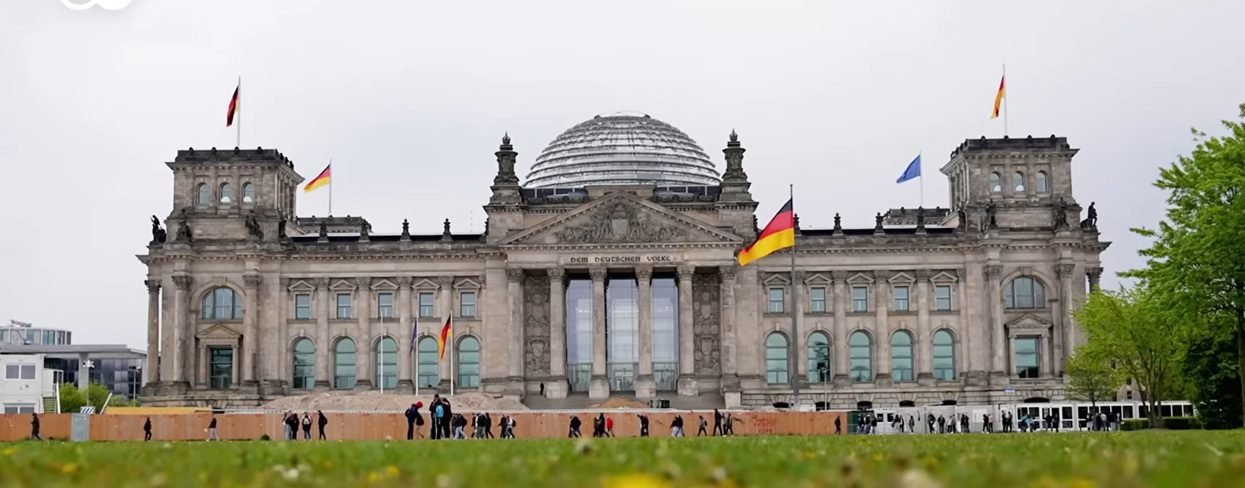
Berlin’s parliament building – the Bundestag – is located within the Reichstag building. After years of use, the building became one of Berlin’s most prominent sites after a renovation in 1999.
The glass dome, which symbolizes the reunification of Germany and transparency, provides visitors with a view of the city. This is especially beautiful at dusk. Reserved spots and registration are required, and security may ask for identification.
13: Charlottenburg Palace Gardens:
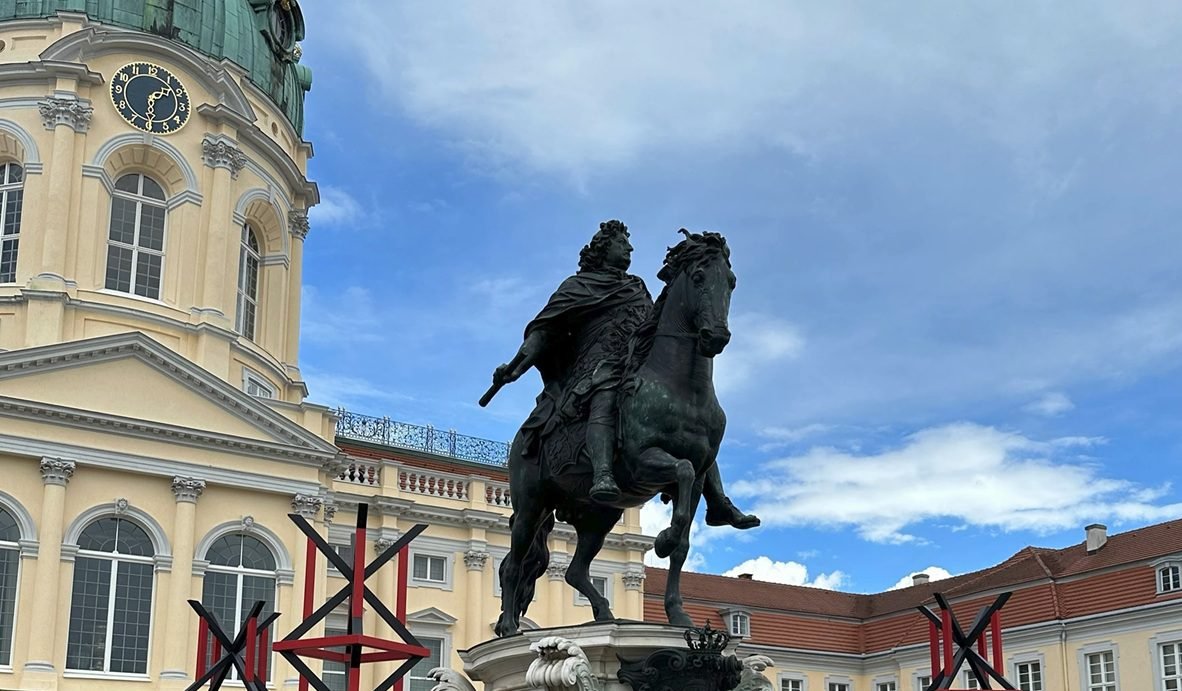
Charlottenburg Palace is one of the oldest remaining royal residencies in Berlin, it takes inspiration from the Paris. It is a beautiful place to escape the fast pace of Berlin.
While the palace itself may cost a lot to enter, the gardens surrounding it are mostly free. However, walking along these can provide a peek into 18th century royal life while also keeping visitors close to modern Berlin.
14: Join a Meetup group:
One of the best ways to really experience Berlin like a local instead of a tourist is by using the Meetup app. The city has so many events ranging from photography walks, yoga classes, group picnics, programming seminars, acting workshops, even fun and relaxed language exchanges.
A lot of these Meetups are completely free or are donation based. It doesn’t matter if you are planning to be in Berlin for a short weekend visit or for an extended period of time, these Meetup groups are perfect for meeting people, which include both local and international, who speak English.
15: Relax by a lake on a hot day:
During those long Berlin summers, the locals are usually on their way to the lakes and steering clear of the busy streets. These natural spots can provide visitors with the perfect town escape and the opportunity to reconnect with nature that Berlin lacks.
Some of the best lakes are actually located in the quiet city outskirts and all of them can be easily accessed through public transport. Some of these lakes even have small beaches and designated swimming areas. To discover all the lakes and nature spots in Berlin, just use the local transit map and learn the U-bahn, S-bahn, or regional bus routes.
16: Stop and Watch the Sunset at the Landwehrkanal:
Some of the best ways to enjoy your evening in Berlin is to sit by the Landwehrkanal and enjoy the sunset, with an atmosphere to Socialize and drink with your friends, listen to some music.
Evening sunsets cannot be any better. People have gotten beer, sat around with friends, and enjoyed the sunset. The Landwehrkanal is the best place to go when you need to relax and unwind after a long and stressful day.
17: Visit the Tränenpalast (Palace of Tears):
The Palace of Tears is known for showing the heartbreaking history of the Berlin wall during the division between East and West Germany.
The emotional stories were told by families in the Palace of tears to share to the younger generations what it was like to separate from their families. Today you can find museum exhibits providing multimedia displays for the emotional history of Germany.
Places like the House on Lützowplatz are where you can see heritage sites of Germany as well as International artists, depicting the Cold War history and also other places like Museum der Kulturbrauerei are dedicated to illustrating the daily life of the GDR in the same period.
18: Discover Berlin on the 100 Bus:
The best way to see Berlin all while staying on a budget, is by taking the M100 or M200 buses. With a ticket costing about €2.80 you can take advantage of the best sights and the best public transport in the city.
If you want a great panoramic view of Berlin, the top deck of the double decker bus is the spot which you enjoy the most. Key landmarks include the Seligssaule, which is a gigantic statue of a man with a lion in a park, Tiergarten, the Reichstag and Bellevue Palace.
19: Museum in der Kulturbrauerei:
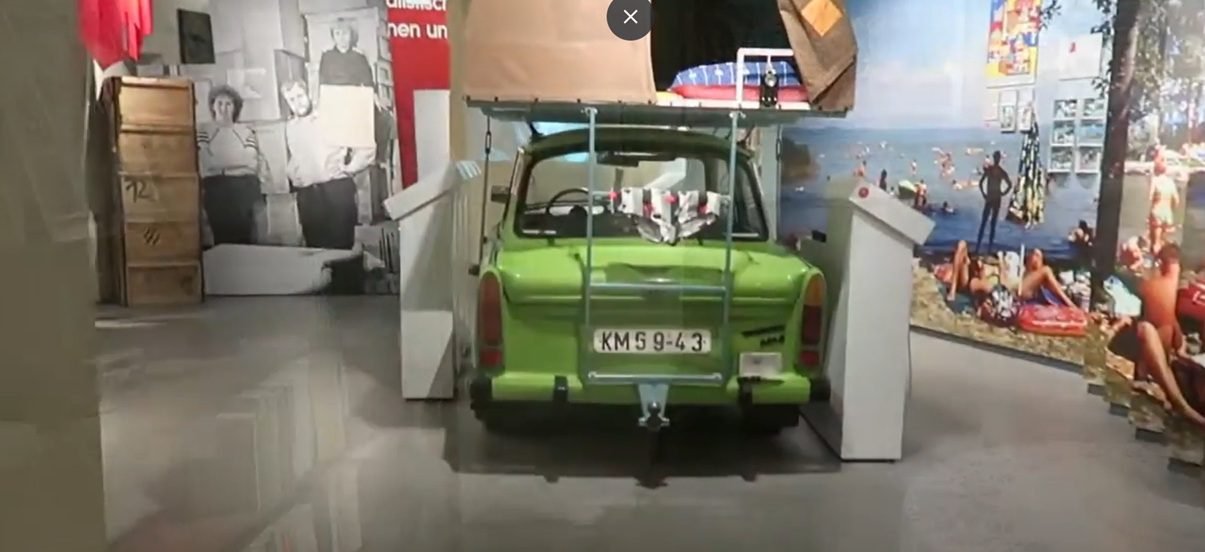
In the district of Prenzlauer Berg the Museum in der Kulturbrauerei is a great place to learn about what life for the people of Berlin was like during the time of the GDR. The best part is that the museum comes with absolutely no entry fee.
As a result of the Museums permanent exhibition, Everyday Life in the GDR, we learn about the daily life of the people of Communist East Germany, through the use of over 800 original objects, 200 documents, historic clips of the time, and a variety of audio recordings.
The museum also has temporary exhibitions, for example, OSTBLICKE which is a modern photography exhibition open until the 12th of April, 2026 and includes artists such as Sophie Kirchner and Philipp Baumgarten. Their work is about Eastern Germany after reunification and focuses on identity and places that GDR traces and things of a social nature.
20: Rotes Rathaus:
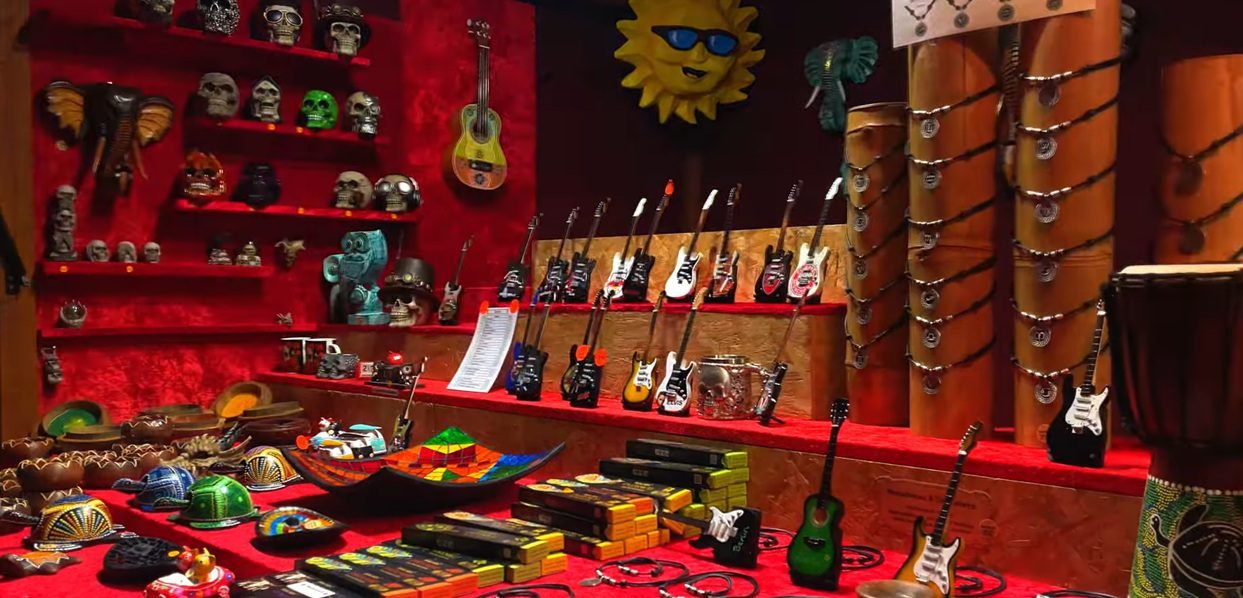
The Rotes Rathaus, or Red City Hall, is one of the most impressive buildings in Germany and is one of the oldest buildings in the state of Berlin. It appears in the famous TV show Babylon Berlin. It is currently used as the Mayor’s Office.
The building is located near Alexanderplatz. It is a building that is open to the people of the city and to the tourists that want to glimpse the magnificent atmosphere and interesting hallowed halls and impressive large spaces that are used for official ceremonial receptions and state visitations.
In addition, the visitors are able to view the impressive nine-metre-high pillared hall, the vividly colored orange suspended rib vault ceiling, the marble busts, and the library of antiquities.
Many short-term displays take place in the halls of the Library, including the display for the honorary former citizen of Berlin, Rolf Dübner.
Another recent display titled Berlin Unpacks, Gifts from 75 Years, focused on the gifts presented to the Mayor of Berlin by the Heads of State over the last seventy-five years.
The permanent exhibit of the Museum contains five hundred items which are related to Berlin’s international trade and diplomacy with the world, and a sliding display case.
The building is usually open from Monday to Friday, from 9:00 to 6:00.
21: Visit the Topography of Terror:
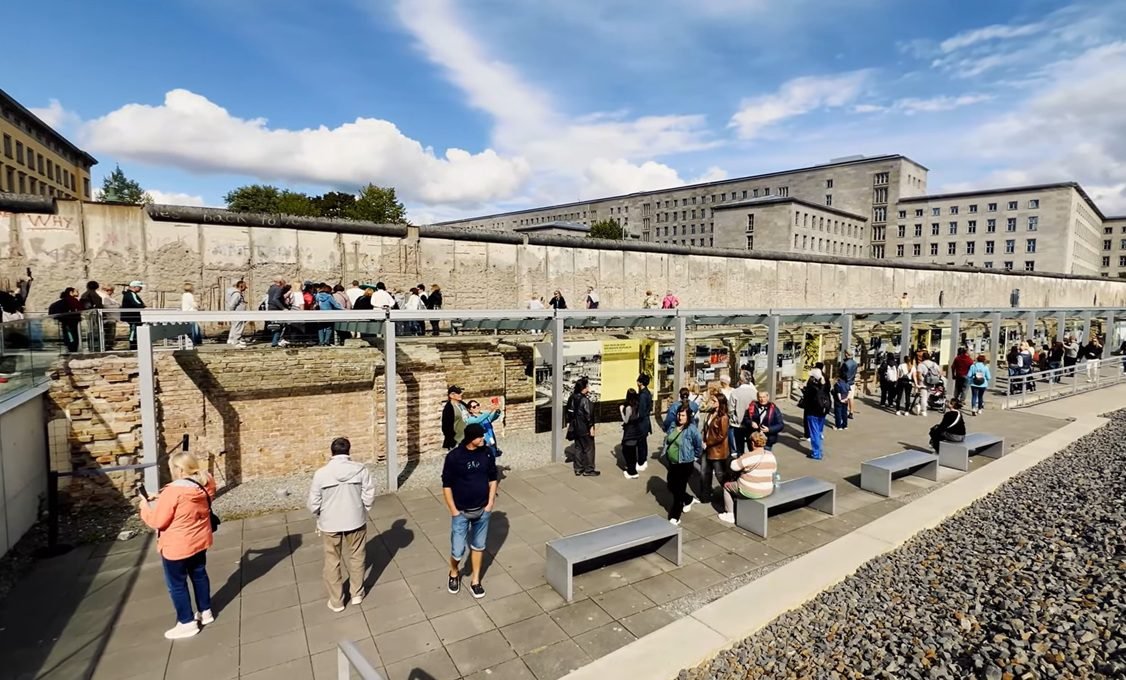
This place is one of the best historical museums located at Niederkirchnerstraße 8, 10963 Berlin, Germany. It shows the times of the Nazi terror and the persecution that occurred back at that time.
The former sites of the Gestapo headquarters, commanding officers of the Nazi SS, and the Reich Security Main Office were part of the Nazi Security Service. The area was part of the Reich Security Main Office by 1939.
Now, there is a powerful outdoor history museum along with an indoor museum that explains the spread of the Nazi regime throughout Europe. You can also visit the only preserved section of the Berlin Wall, which connects the two eras of the Nazi regime and the Cold War.
22: Treptower Park:
Treptower Park was home to the Great Industrial Exposition of Berlin, which was held in 1896.
The park has a rich and interesting history, and was known for huge concerts, the most successful was the 1987 open-air concert by Barclay James Harvest, which was held in the GDR.
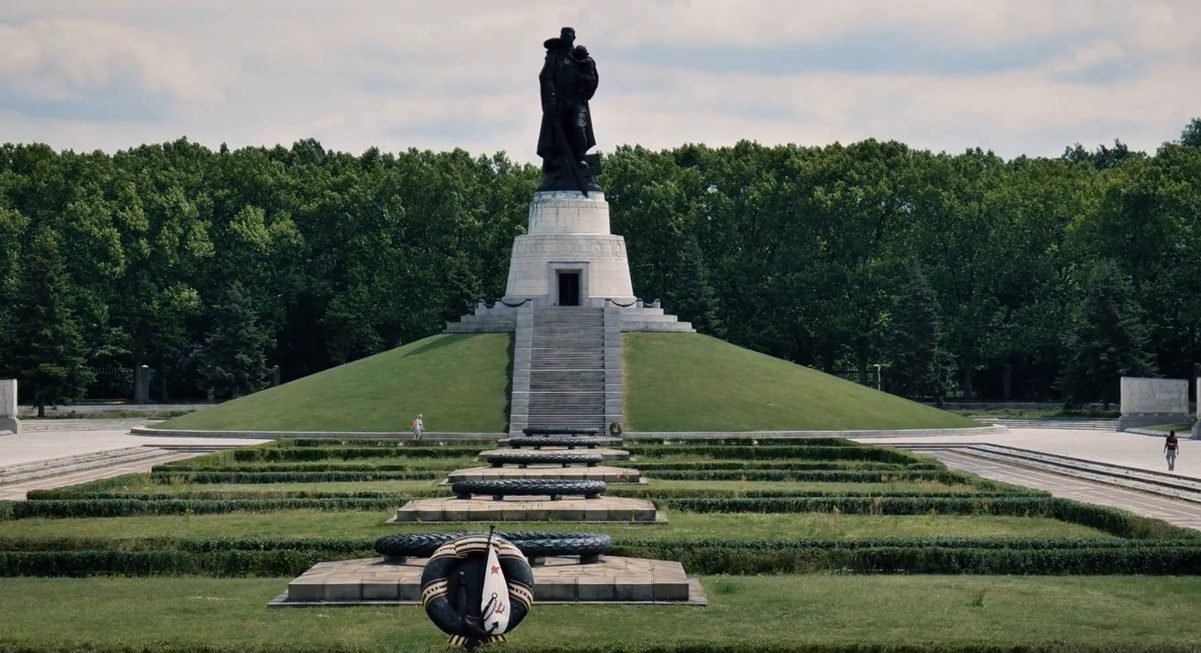
The biggest attraction is the Soviet War Memorial which honors the soldiers of Russia and the Soviet Union. However, the 80,000 Soviet troops are estimated to have died in the Battle of Berlin in 1945, and this memorial is for those fallen.
In the centre of the memorial is a large soldier statue holding a child with a German child in a broken sword, and a broken sword, along with a broken Swastika. The memorial also has a green area which is surrounded by 16 stone sarcophagi with Soviet reliefs and a lot of military history, as well as some Stalin quotes.
Large red granite gates alongside waving designs of the Soviet flag complete the emotional atmosphere.
23: Cold War Tour of Berlin:
If you want to discover more about Berlin’s past during the divide, the Cold War tour is for you. Many tours combine these little snippets of history with a walking tour of the Third Reich, allowing the visitor to appreciate how most of the eras of this city has affected the different styles of politics.
With tickets on Get Your Guide cost around €19 and lasting up to 2 hours, Berlin’s complicated history, including the suffering of politics during the darkest periods of history, and the reunification of the city, is revealed.
There was a one guided tour, Jamie, is a professional archaeologist and explained how old, forgotten patches of Berlin during the Cold War were discovered during some digging, done in 1999, in the areas near a big construction site.
The tours make stops at the Brandenburg Gate (Germany’s biggest National symbol) where guides will discuss historical figures such as Napolean, Hitler, and Kennedy. Visitors learn about The Fall of the Wall, The Reichstag Fire Decree of 1933, and the enforcement of the Nazi rule to the State of World War 2.
Many guides compare the events of that era to modern political issues in today’s world, where there are authoritarian regimes.
24: Visit the Neue Nationalgalerie:
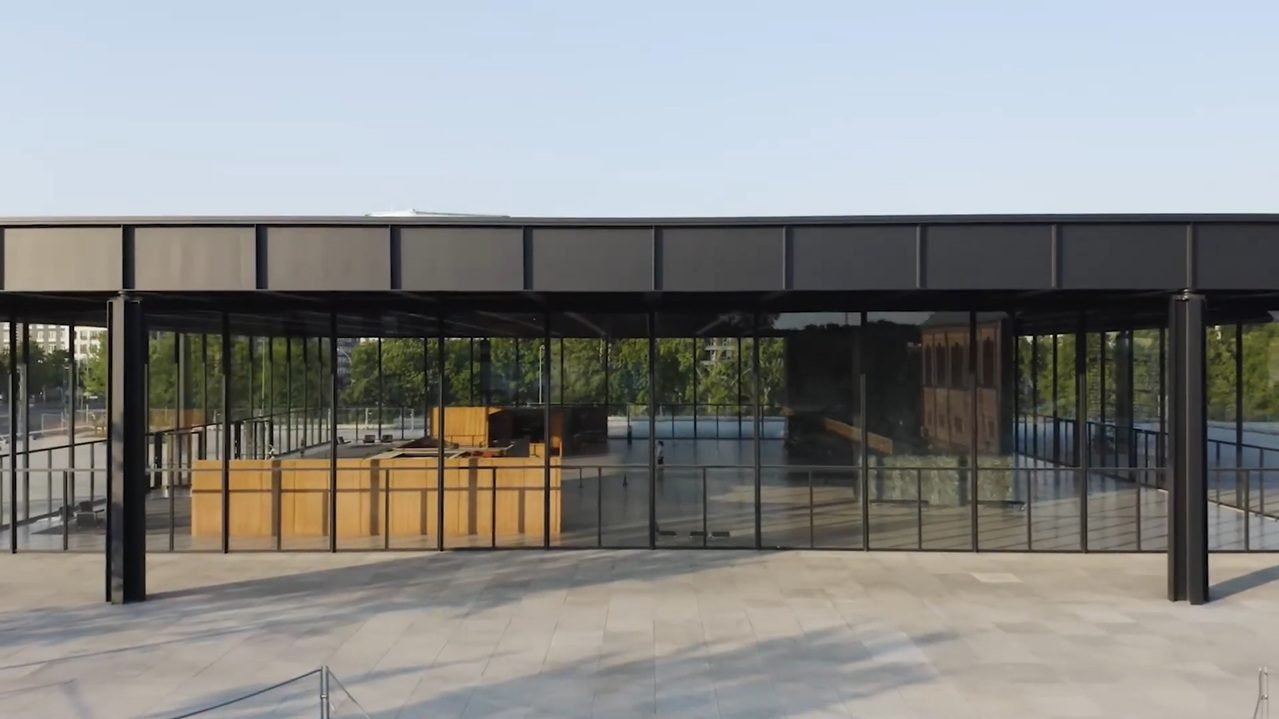
Another important spot to tour is the New National Gallery, found at Potsdamer Strasse 50, Berlin, will display art spanning the entire century of the 20th Century. Being a modern art museum, some artists you will see from this time period are Pablo Picasso, Ernst Ludwig Kirchner, Joan Miró, Wassily Kandinsky, and Barnett Newman.
People often use the term “steel and glass temple” when describing the building. It was designed by the famous architect Mies van der Rohe. The standard entry cost is almost €14. Those who planning to explore several museums, a Museum Pass Berlin is the best option as it provides access to multiple museums for 3 consecutive days at the price of almost €29.
25: Deutsche Kinemathek, Berlin:
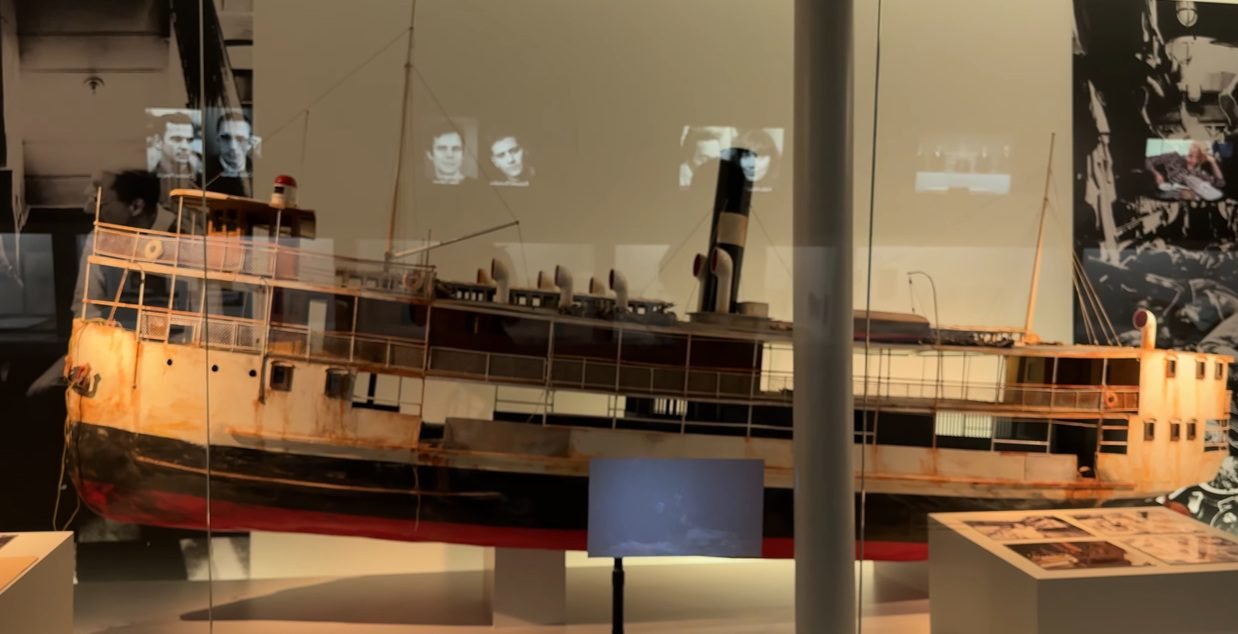
If you love movies, the Deutsche Kinemathek is one of the best Berlin museums, and it has a ton of information about European cinema.
This museum is located close to the Sony Centre at Potsdamer Platz, and it has a ton of cool, real-world, multimedia activities that show the history of German movies, even the silent ones.
The Deutsche Kinemathek has a ton of information about classic and famous German pieces of cinema, like The Cabinet of Dr Caligari and Metropolis. It even explores the creativity of the Weimar Republic, the censorship in the years of National Socialism and Hitler, and the struggles that German filmmakers faced when they were forced to leave Germany to make movies in Hollywood.
There are even sections that show and give information about modern cinema and the post-war years, as well as some legendary movie stars like Marlene Dietrich. They even have some cool, rare things that she owned and that are from her career.
Berlin Things to Do Alternative for Adults:
26: Boat Trip on the River Spree – See Berlin from a Different Perspective:
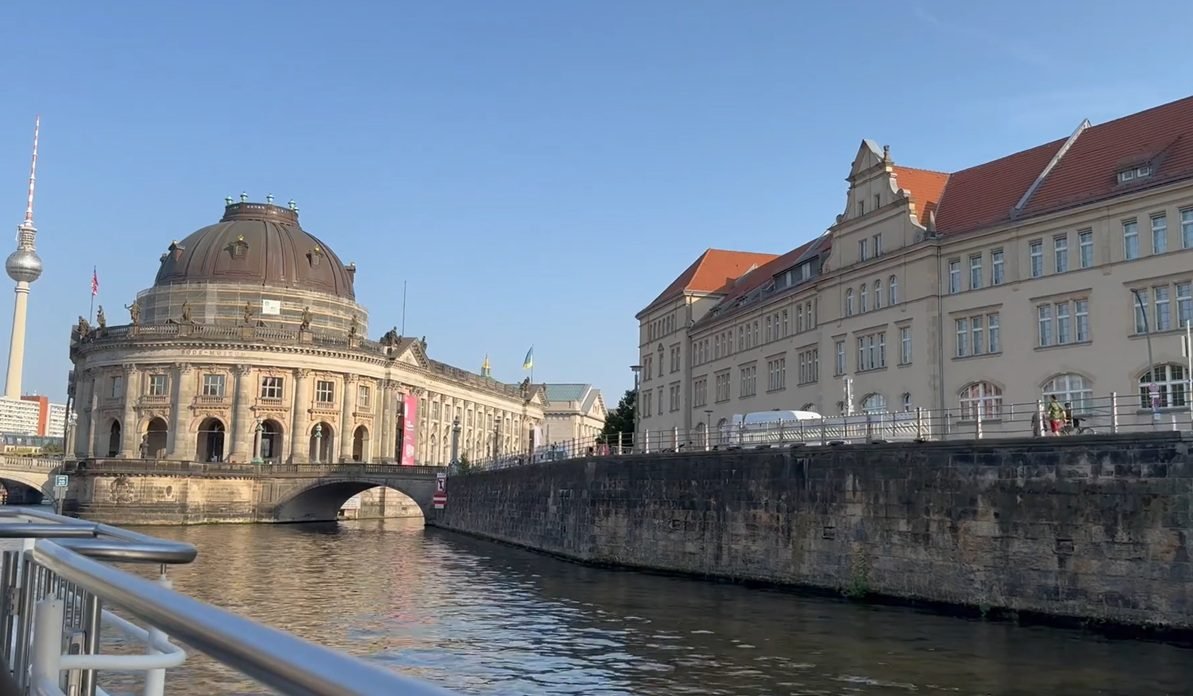
Taking a boat trip down the Spree River is a great way to see the the famous attractions of Berlin without having to walk through crowded streets. Lots of tourists on short trips only focus on the nightlife and museums. Besides the busy city, there’s a calm and beautiful side that the river shows. Since the main river that goes through Berlin is the Spree, a lot of the attractions are right next to it.
There’s a lot to choose from when it comes to boat trips. Several local companies have boat trips scheduled everyday for tourists and locals. Boat trips can be a simple sightseeing trip, or you can book a dinner cruise or an evening boat trip. You can even book your tickets online before you leave to ensure a spot for your boat trip.
When you take a boat trip, you’re sight-seeing and relaxing at the same time. You can take a nice long boat cruise down a historic part of Berlin and see a lot of important landmarks that define the city as you pass all the attractions, bridges, and museums.
Because this boat trip is an unexpected way to see the attractions in Berlin, a lot of travelers think it’s a very fun part of their trip. This boat cruise down the calm river shows you a different side of the city when compared to a busy walking tour. A guided boat trip even shows you the history of famous landmarks and helps you understand the culture of this city that is well known in Europe.
The experience caters well to the activities of adults as well as family sightseeing. A scenic boat ride through the Berlin river provides urban tourists with delightful exploration of the city, whether you are taking your first trip to Berlin or are an established visitor trying to see new areas of the city.
27: The TV Tower at Alexanderplatz – Berlin’s Most Notable Landmark:
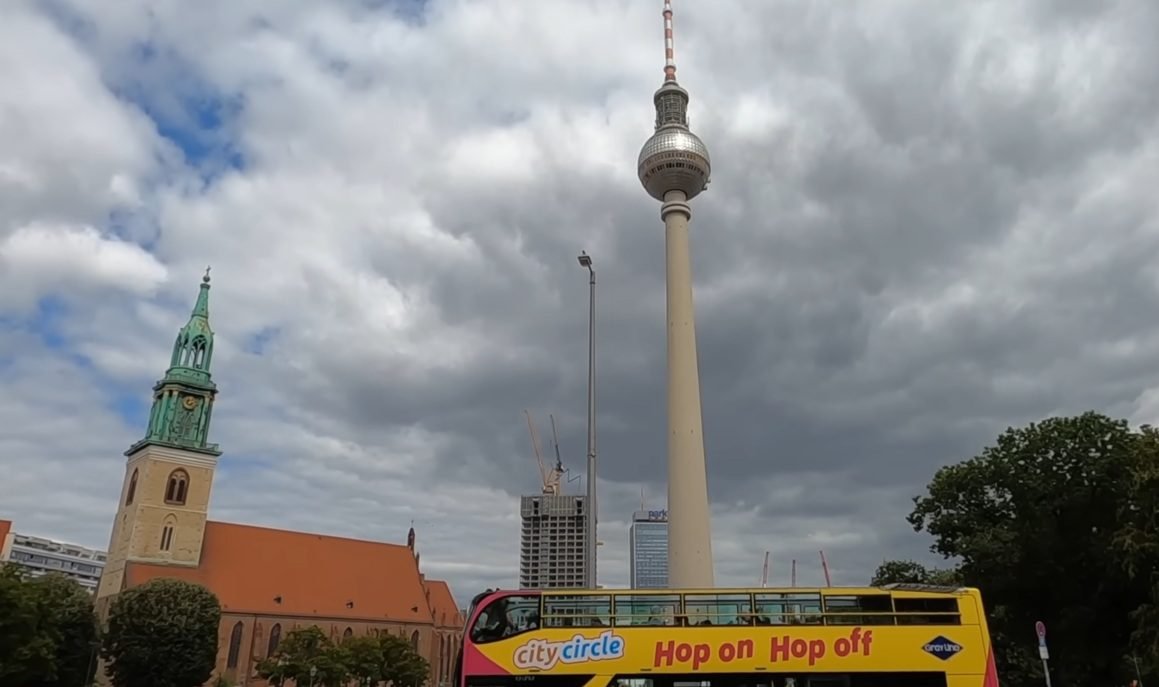
The TV Tower located next to Alexanderplatz is one of the most important and recognizable buildings in Berlin. It is a must-see place while in Germany’s capital city. A building towering above all the other structures in Berlin, it is an unmissable destination for almost all travelers to Germany.
It is highly likely that first-time visitors consider it a major part of their trip, and rightfully so with the amazing views from the top. The first time I went, I made the common mistake of not ordering a skip-the-line ticket and spending over 90 minutes in the line with a few hundred people waiting to gain entrance to the building.
I always encourage people to buy their tickets ahead of time to avoid the 90 minute wait. The time you save by ordering tickets online and avoiding the long lines can be spent enjoying the TV Tower.
The observation deck at the very top provides almost the entire panoramic view of Berlin. Visitors at this height can see Berlin’s famous skyline, rivers, historic buildings, and massive central urban area.
Being an iconic tower as well as an important architectural landmark, and the primary symbol of German tourism, this tower is an indispensable landmark in Berlin. Whether you are on a family vacation with children and seeking some memorable adult activities, a visit to this tower is guaranteed to provide a delightful observation experience.
It remains one of the strongest attractions in Berlin and offers visitors an ideal mix of architecture, history, and sightseeing. As one of the main tourist attractions, this tower continues to define Berlin and empowers international travelers to plan and enjoy their travels.
28: Sightseeing Bus Tour – The Easy Way to Explore Huge Cities:
The best option to explore a large city like Berlin is to take a sightseeing bus tour. Maybe you’ve taken one of the “classic” sightseeing bus tours in some other European towns, and you think they are a rip off. In Berlin, these types of tours make sense, based on the size and organization of the city.
After living in Berlin, I discovered how separated and distinct the city is divided into lots of different neighborhoods. Some of these areas are a little bit historical, while many of the others are social centers. Social centers can have tons of cafés, galleries, or venues for live music.
A bus can make a brief trip through all of these different areas. A sightseeing bus tour also gives the flexibility to hop on or off for 24 hours, allowing you to go see an attraction and continue the tour whenever you feel like it. It can make a busy trip feel a little less stressful.
This option is even more great for the traveling family, as you can follow along the tour route instead of figuring out, how to use the system of public transportation?
The buses will take you past all of the main attractions, cultural sites and historic locations in the city. It helps travelers understand just how large the urban center of Berlin is and how different the city’s districts are.
This type of travel planning is perfect for any traveler that is short on time, as it encompasses a guided city tour, transportation, and exploration, all in one complete tourism package. It also allows visitors to capture amazing memories and experience more of what the city has to offer, all in a short amount of time.
